I’m trying the recipe on the Well & Good website. It’s basic enough and more like a batter. I used yeast instead of an egg. I used Lighthouse yeast. The most important part is if my son likes it. My husband who is also celiac has phases with bread and so does our son who is also celiac which is why I bake gluten free foods and share what successful recipes I have found or figured out. Anyway our little boy is loving his morning toast and his preferred two loaves of bread have been out of stock. Worst part is when it comes back in stock it is sold out the same day and takes weeks to return. Since moving house and a change of oven I have not made a good loaf of bread that doesn’t turn into a stale unusable rock the next day. I have tried more liquid which results in gummy soggy bread. I have tried more fats and even used to much and the results vary. So far one of the best three fats to use are Macadamia oil, Olive oil and good old fashioned butter. Nuttelex works well in place of dairy butter too.
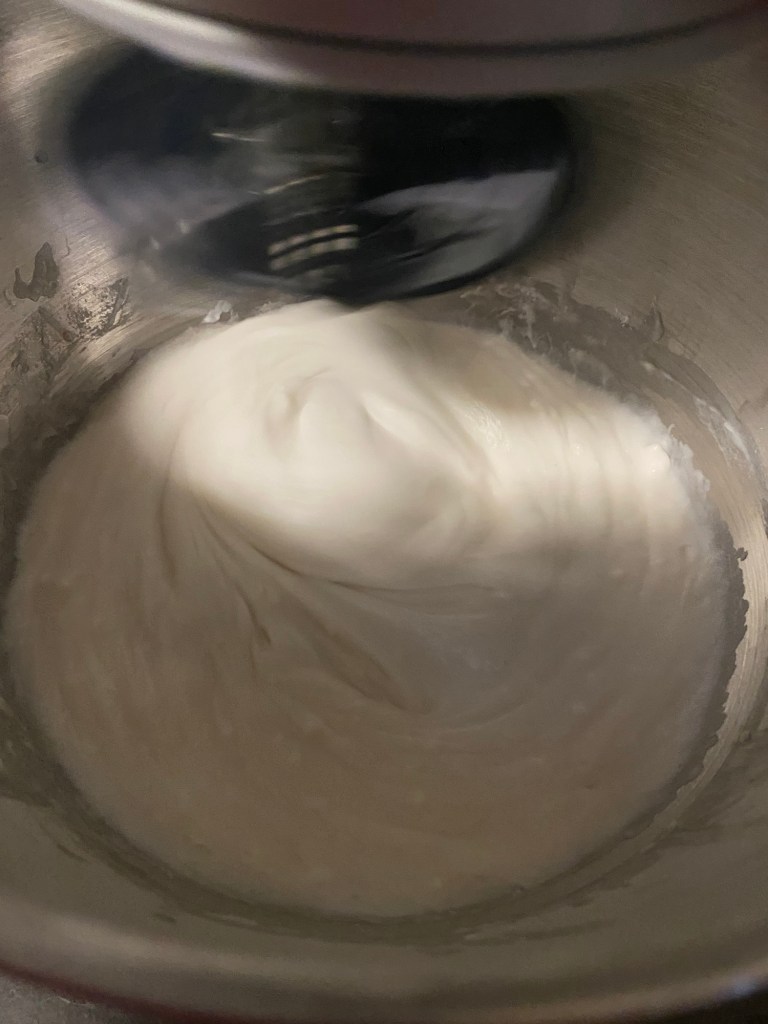
I decided to use a stand mixer to help with the lumps. I eventually realised the paddle would have been better but I didn’t know what to expect from the flour and how hydrated it would actually be. Sometimes gluten free flour is dry after a lot of water and sometimes the opposite happens. Either way I just stuck to the dough hook and mixed until a smooth batter formed.
The results were almost as I expected. I proofed for 35 mins. Less than I expected to so I could preheat for 10.
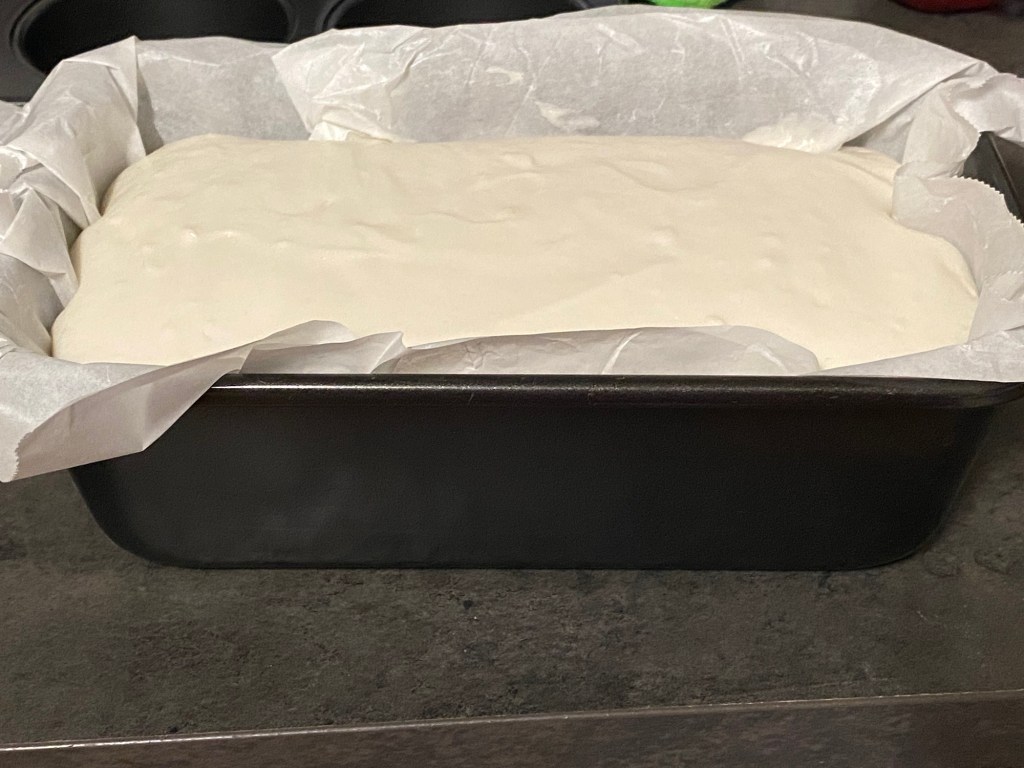
In only 25 minutes the dough was almost doubled. I did not want to risk over proofing so I took it out of the cold oven I had it proofing safely in to start preheating for 10 minutes totalling 35 minutes for proofing. It rose a little more while heating up the oven.
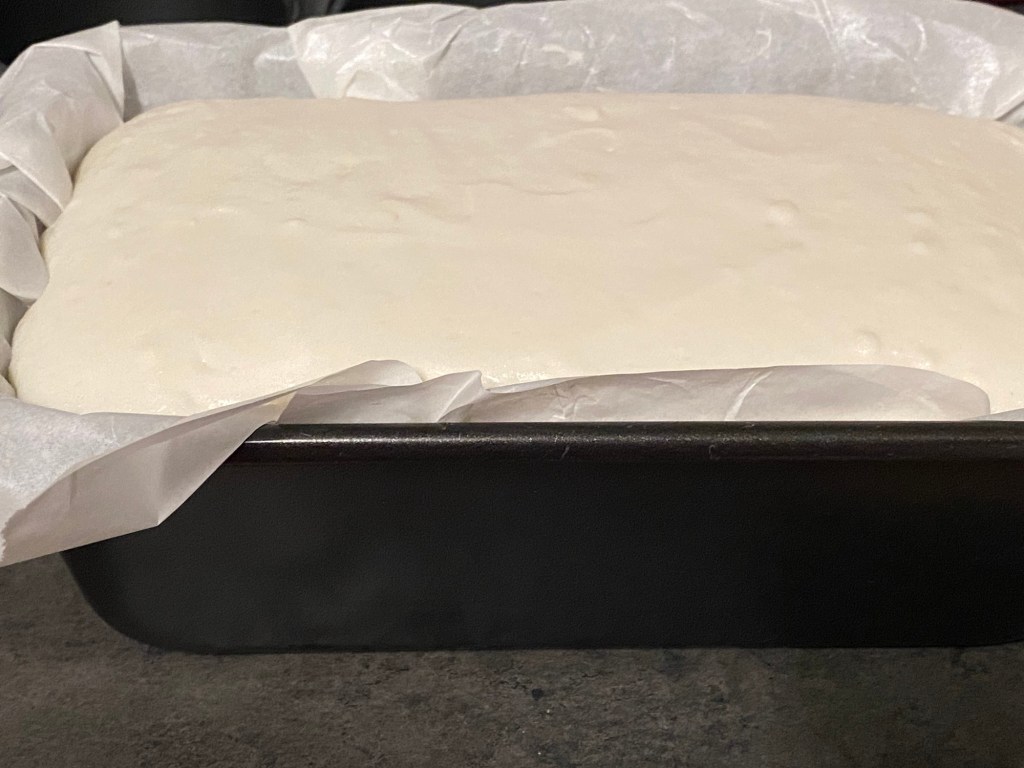
Any more than this and I think it would have overproofed and possibly risked the bread collapsing in the middle after cooling down. Which I have had a lot of trouble with in the past.
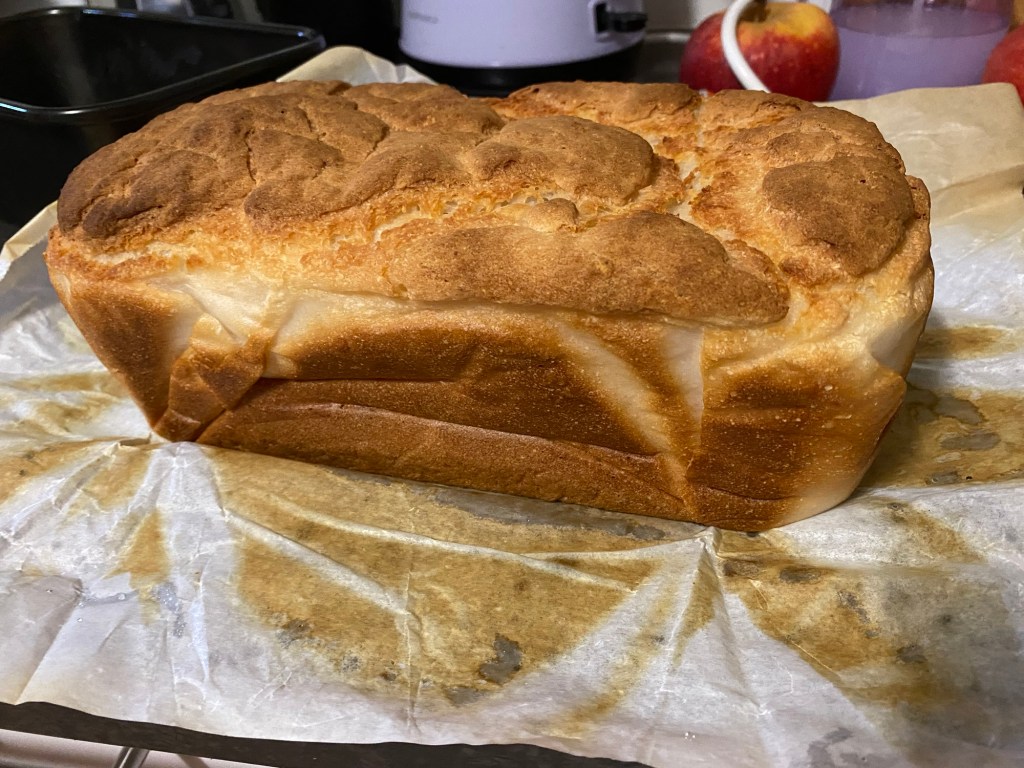
These are my results fresh out of the oven. When it was rising it was much higher than this in the oven. But like most gluten free dough, it shrunk as it cooked. I did not egg wash or add any oil to make it golden brown. The crust to the right on the top looks like the interior might be gummy. I hope not.
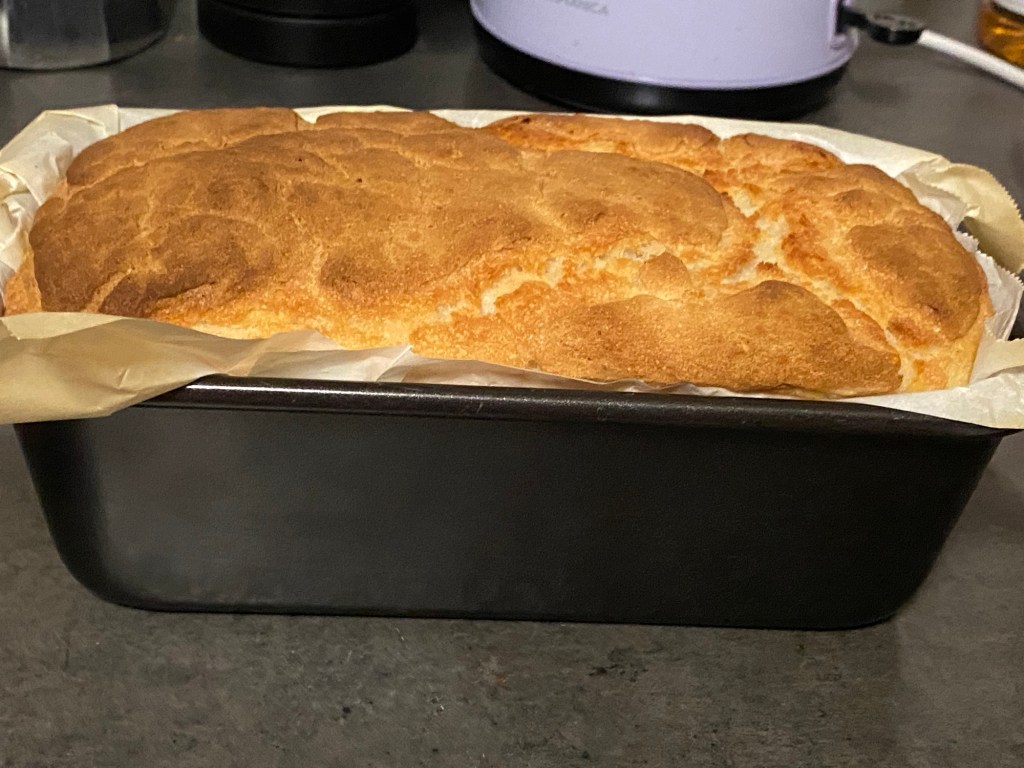
These are more results post cool down. Not too much shrinkage or deflating. Crust has softened to a normal feeling crust. The formerly hard crust patches softened from the internal steam. First cooled in the pan as instructed but I removed it when I saw some sagging. I know from experience it can over steam itself and collapse.
This is what it’s like sliced. The texture is sticky. It feels soft and moist. It’s not gummy but it is sticky. It tastes bread like because of the yeast. With some butter it is a bit like croissant in flavour. Toasted it and it didn’t toast well. Perhaps it was too moist.
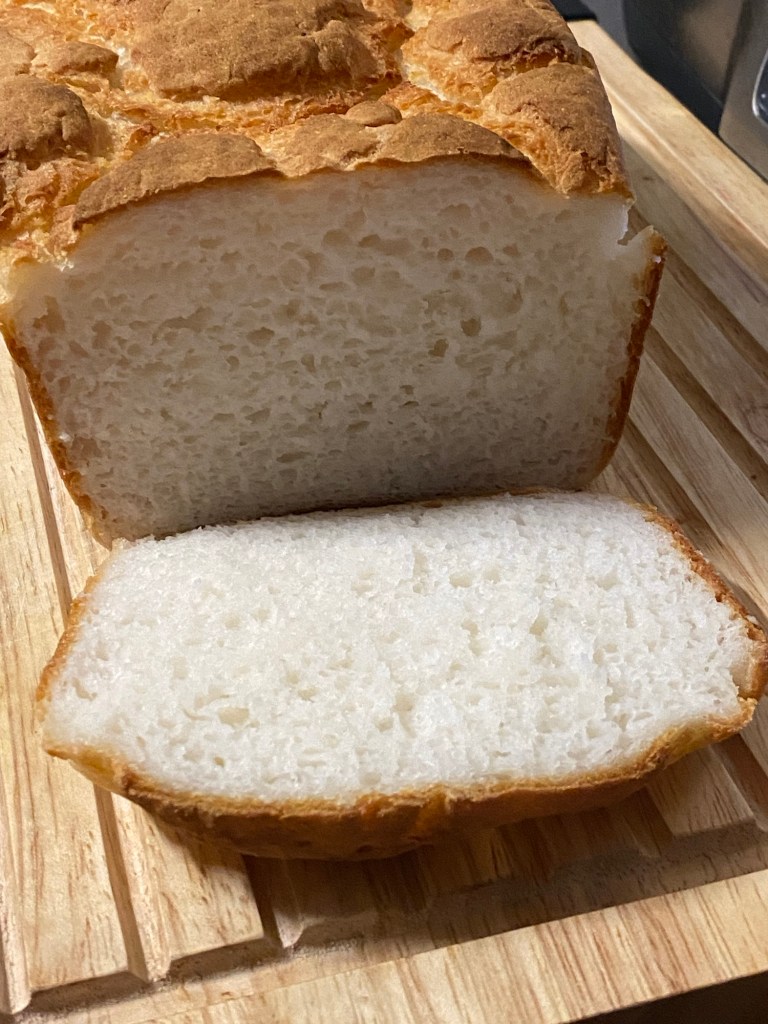
It looks great but it is a bit too sticky to be a sandwich bread or toast. It almost toasts so I should try toasting it another way. Maybe even pan fried with a bit of butter. It’s ok sliced with spread. But with its sticky moisture perhaps not a sandwich but tomorrow it might be more dried out and better as a sandwich and for toasting. So no doubt I will have to do a follow up post.
After all of my troubles with gluten free bread I have started to explore recipes on the flour websites of the brands I use. Not many brands will post a bread recipe that isn’t made from a bread flour blend. But some do. So today I am trying the recipe of a brand of flour I like, Well & Good. I love their self raising flour. Perhaps even more than their plain. The plain flour is good but it can be too gummy sometimes. I still love YesYouCan brand flour but sometimes it’s too dry or has a too rock hard exterior and letting it rest doesn’t really soften the crust which can be a problem. Fortunately there are a lot of talented bakers on instagram that share recipes but I have a new problem. Too much psyllium husk gives me nausea and stomach cramps as well as the hubby. So I’ve started to try other flours. I tried sorghum but I found it to be rather dry and more like cake in texture. I plan to experiment with it more as it softened the crust significantly in recipes where the exterior kept coming out too hard.
The consistency in this recipe was good but it’s slightly too moist. Almost gummy. A small amount of sorghum or almond flour might help the overall texture. But I can’t pass final judgement of the texture until the next day. Gluten free bread is always drastically different the next day.
 New Mum’s Food Adventures
Leave a comment