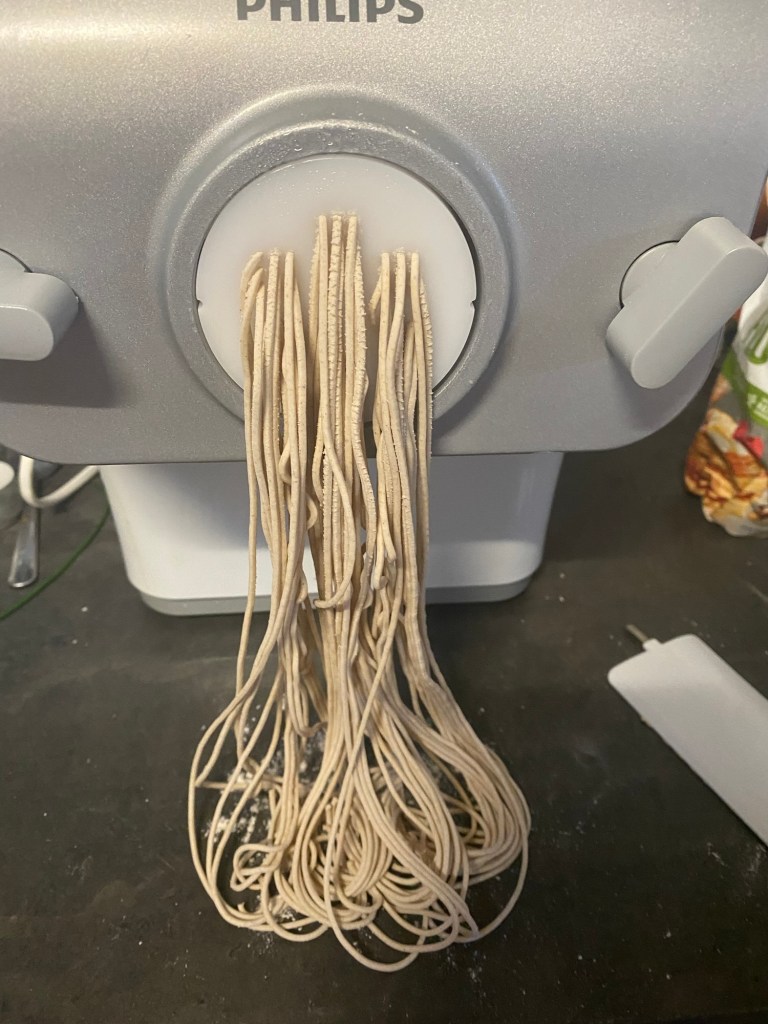
I use a Philips pasta maker. Mine is 10yrs old now. Ten years ago I wasn’t gluten free and my husband hadn’t discovered he had coeliac disease. Ten years ago I followed the book instructions for buckwheat noodles. They were brittle and terrible. Above is my buckwheat noodles with what I know now.
Boiling water! And more than what is indicated.
Pause the machine and let the humidity build up!
If your machine is new I have read boiling hot water voids any warranty so be careful. The hot water is recommended by Philips themselves which is interesting and how I found out. My warranty is long gone. I have had zero issues with boiling water in my recipes.
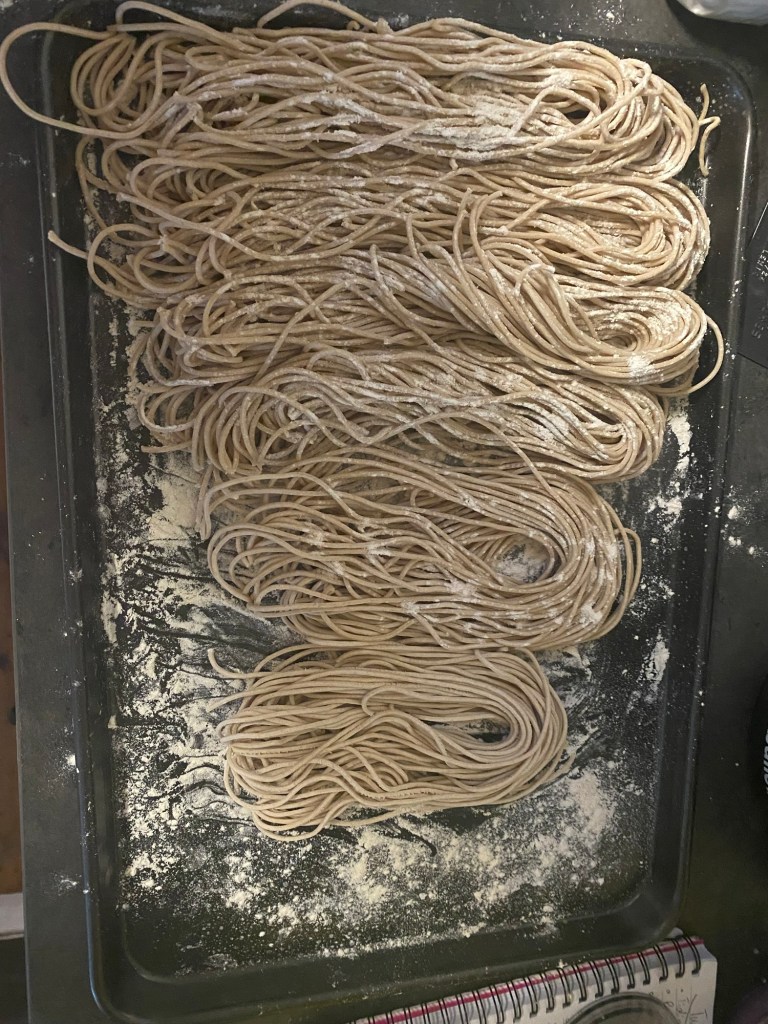
My buckwheat noodles above are 350 grams buckwheat, 50 grams tapioca, 1 tablespoon of xanthum gum and boiling hot freshly boiled water. I use what is recommended for plain pasta liquid amount plus 30 mils more. plus I hold onto extra if needed. Halfway through mixing I pause for a few minutes and start the machine again.
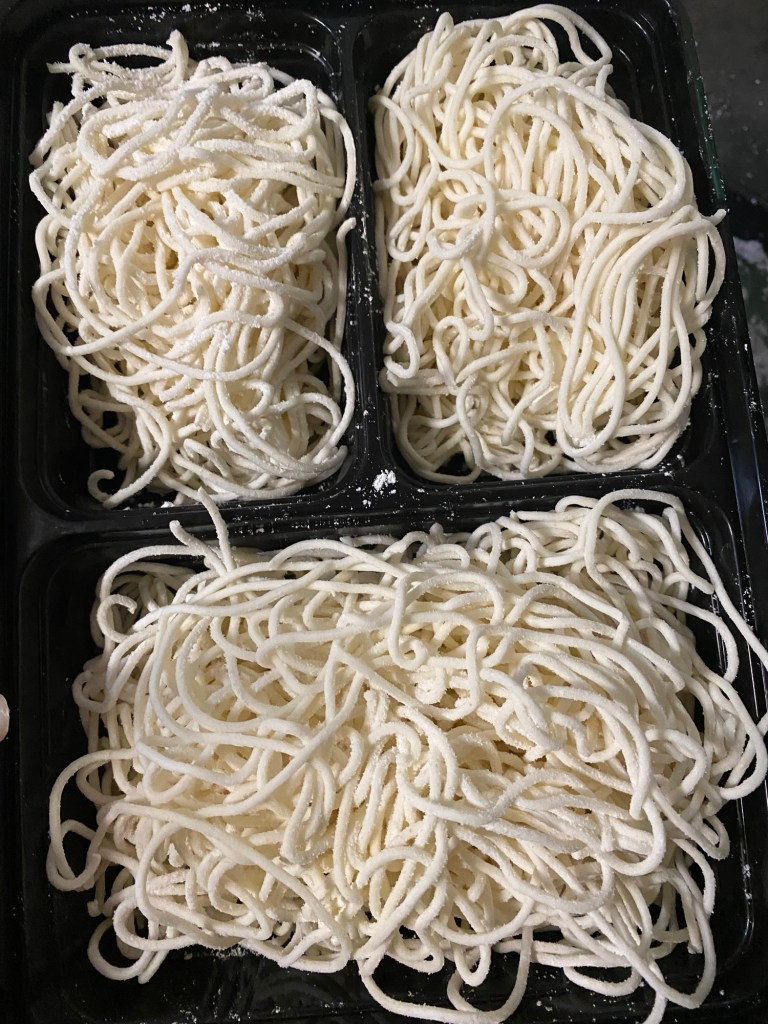
These are from my store bought gluten free flour. I used Aldi’s brand White Mill plain gluten free. I added an extra teaspoon of xanthum gum. It was an awkward 390 grams as I used up a bag and 1-2 teaspoons of xanthum gum added. I usually use two tablespoons every 200 grams of flour for strength. These plain noodles are the best texture and they’re strong. You can actually twirl them and pull in them. If they weren’t so bland you would think they were store bought wheat noodles. But they have that bland gluten free rice noodle flavour. Which is great for me because I use strong flavoured sauces. I rarely add salt to my pasta dough because of the salt in my sauces. Or if I choose to boil in salted water.
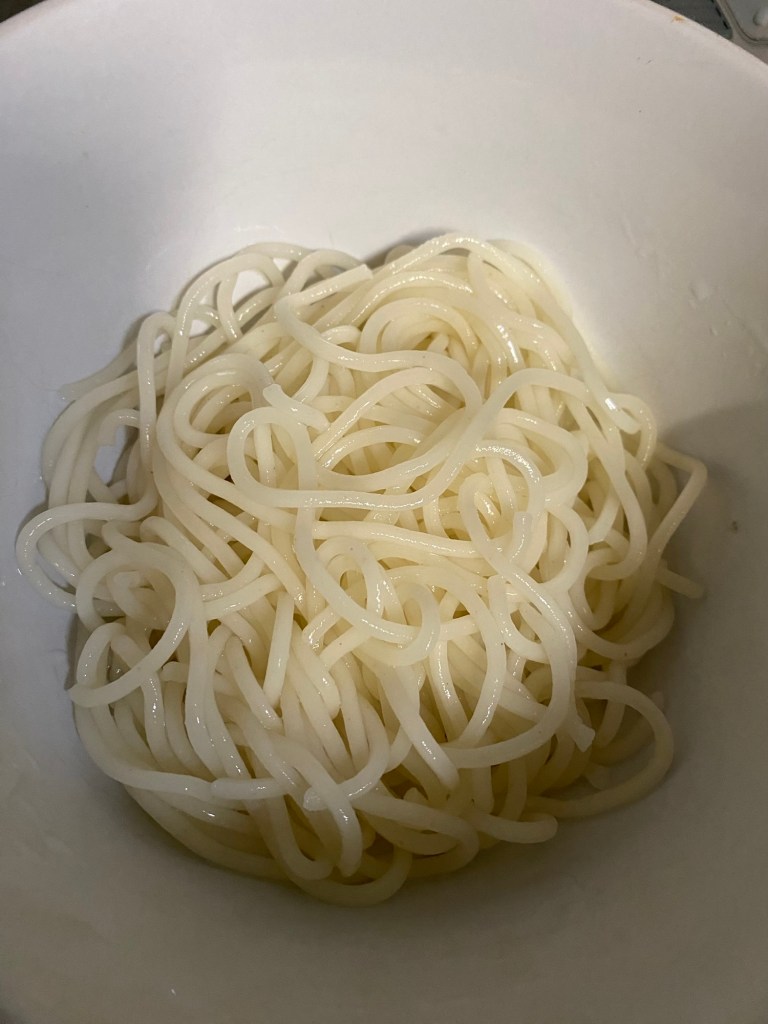
Here is the noodles freshly cooked. Because of the starch they MUST be chilled after cooking. After they’re boiled rinse under cold water and transfer to a bowl of cold to ice cold water until ready to use in your recipe. These white noodles don’t actually swell much after being chilled and can keep their strength to the end of the dish.
I have found gluten free pasta and noodles very difficult to work with when making them by hand. When you make the dough dry enough to roll and cut they can be brittle. I have used hot water for manual pasta as well. But it is still fragile. So I have come to prefer my electric pasta maker.
If it’s an egg based recipe you can’t use boiling water but you need to aim for a shaggy dough consistency. You will end up needing more water than recommended and it’s best to add some oil if adding eggs. Make sure to beat them well because they can get stuck in the holes on the lid where you pour liquids. Occasionally I add a tablespoon of oil to my recipes in general for a smooth dough. It just depends on what I’m making.
It also helps if you oil the pasta disc. It definitely helps with extruding. Clean up is easier. It’s much easier to keep things neat.
If you are gluten and/or wheat free, consider a pasta extruder. Manual or electric, a wetter dough produces better results you can’t get with a pasta roller.
All I need now are other disc shapes.
 New Mum’s Food Adventures
Leave a comment